
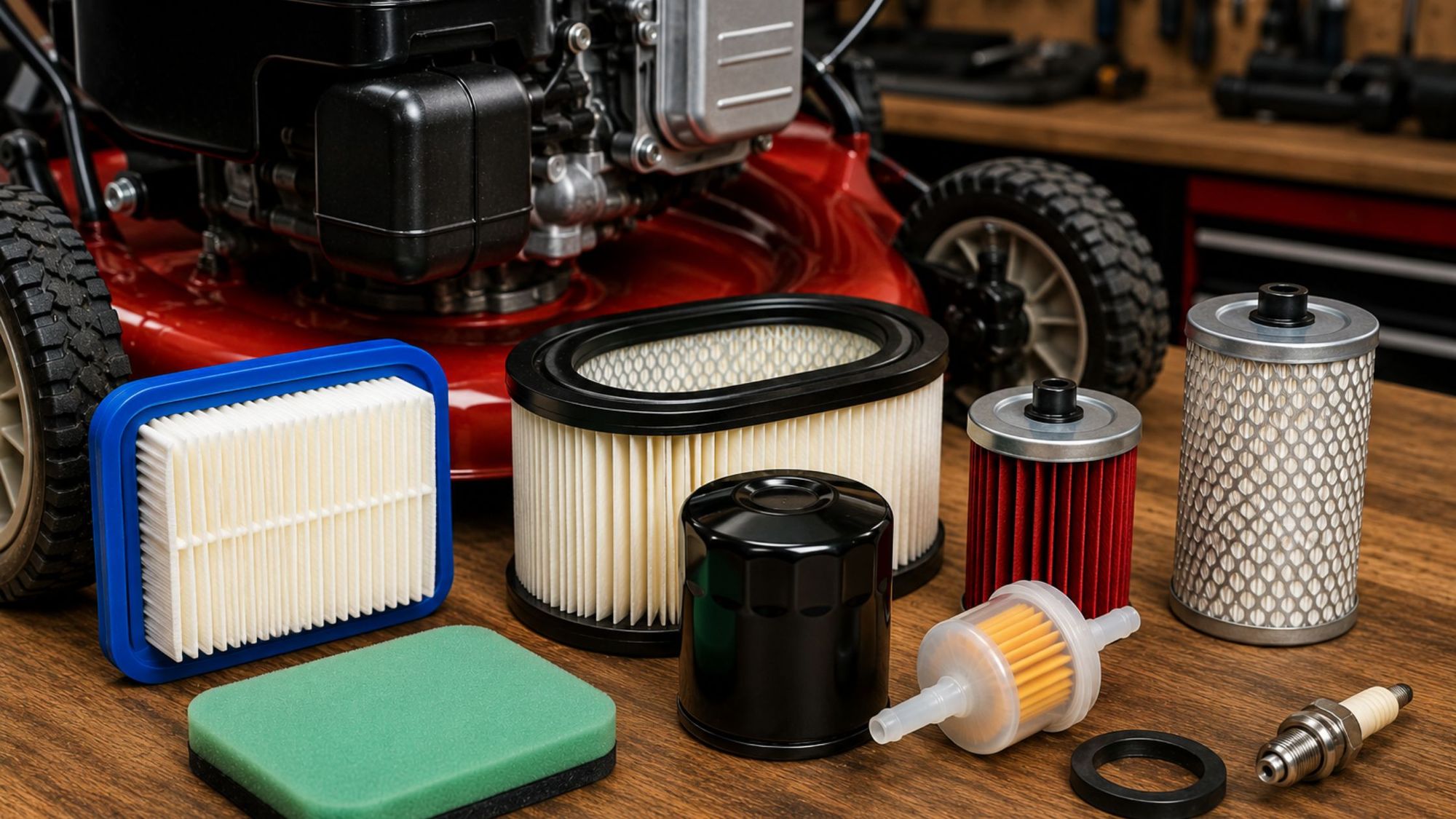
Small engines often fail to start for reasons that build up slowly. Dust, dirt, and poor fuel quality are common causes. When these are not controlled, the engine struggles to breathe and perform. This is where Small engine maintenance filters become important. When they are clean and replaced on time, the engine starts faster, runs smoother, and stays protected from internal damage.
Why starting problems begin with airflow issues
Many starting problems start with blocked airflow. Dust enters the system and slowly clogs the intake. As this happens, the engine gets less clean air and more resistance during combustion.
In most cases, air filters for small engines are the first line of protection. They trap dust before it reaches the engine. When they become dirty, the engine feels weak during starting and may produce black smoke or uneven running.
What happens when airflow is blocked
When airflow is restricted, the engine cannot mix fuel and air properly. This leads to:
- Hard starting and delayed ignition
- Loss of engine power
- Rough or unstable running
- Higher fuel use
Clean airflow keeps the engine balanced and responsive.
How filtration supports smooth engine performance
Small engines rely on more than just air filters. They also depend on oil and fuel filters working together. These parts are part of maintenance filters, and each one protects a different system inside the engine.
Air filters keep dust out. Oil filters remove metal particles from lubrication. Fuel filters stop rust and dirt from reaching the fuel system. When all three work properly, the engine runs with less strain and starts more easily.
Simple role of each filter
- Air filter keeps dust away from combustion
- Oil filter keeps engine oil clean
- Fuel filter keeps fuel flow steady
Together, they reduce wear and help the engine stay reliable under daily use.
Signs that filters need attention
Engines usually show warning signs before failure. These signs should not be ignored because they often point to blocked filters.
Common warning signs
- Slow or hard starting
- Reduced engine power
- Black smoke during operation
- Engine overheating
- Higher fuel consumption
These symptoms are often linked to dirty air filters for small engines, especially in dusty working conditions.
Choosing the correct filter for reliable performance
Correct filter selection is very important for engine health. The right choice depends on engine model, OEM number, manufacturer details, and proper sealing fit. Using properly matched Small engine maintenance filters ensures correct airflow and fuel flow. This reduces the risk of poor installation and improves long-term engine stability.
Simple care habits that improve reliability
Regular care keeps engines in better condition. Filters should be checked often, especially in dusty environments like landscaping or construction work.
- Inspect filters frequently during heavy use
- Replace filters when dirt buildup is visible
- Store spare filters in clean and dry conditions
- Follow equipment operating conditions for replacement timing
Clean handling and timely replacement prevent sudden breakdowns and improve engine life.
Final thoughts
Clean and properly selected air filters for small engines play an important role in easy engine starting. When maintained on time, engine performance stays stable, breakdowns reduce, and daily operation becomes more reliable. Even small attention to filter condition can make a clear difference in how smoothly equipment performs over time.